If you've been following social media over the past weekend, you've probably seen the reports about the iPhone Duo's alleged manufacturing defects and fragile foldable display.
Apple's first foldable phone appears to be having a rough start. After news of delayed shipments hit Apple fans in most markets like a ton of bricks, photos and videos from early pre-order customers began circulating online, raising new concerns about the iPhone Duo's durability.
Teardown analyses suggest that a component in the iPhone Duo’s hinge may get stuck or break, potentially damaging the foldable display from underneath. The precise cause of the reported failures remains unconfirmed.
If these reports prove representative of a broader problem, Apple could face a serious challenge convincing consumers that its first foldable phone is ready for the mainstream market. Some are even expecting a recall.
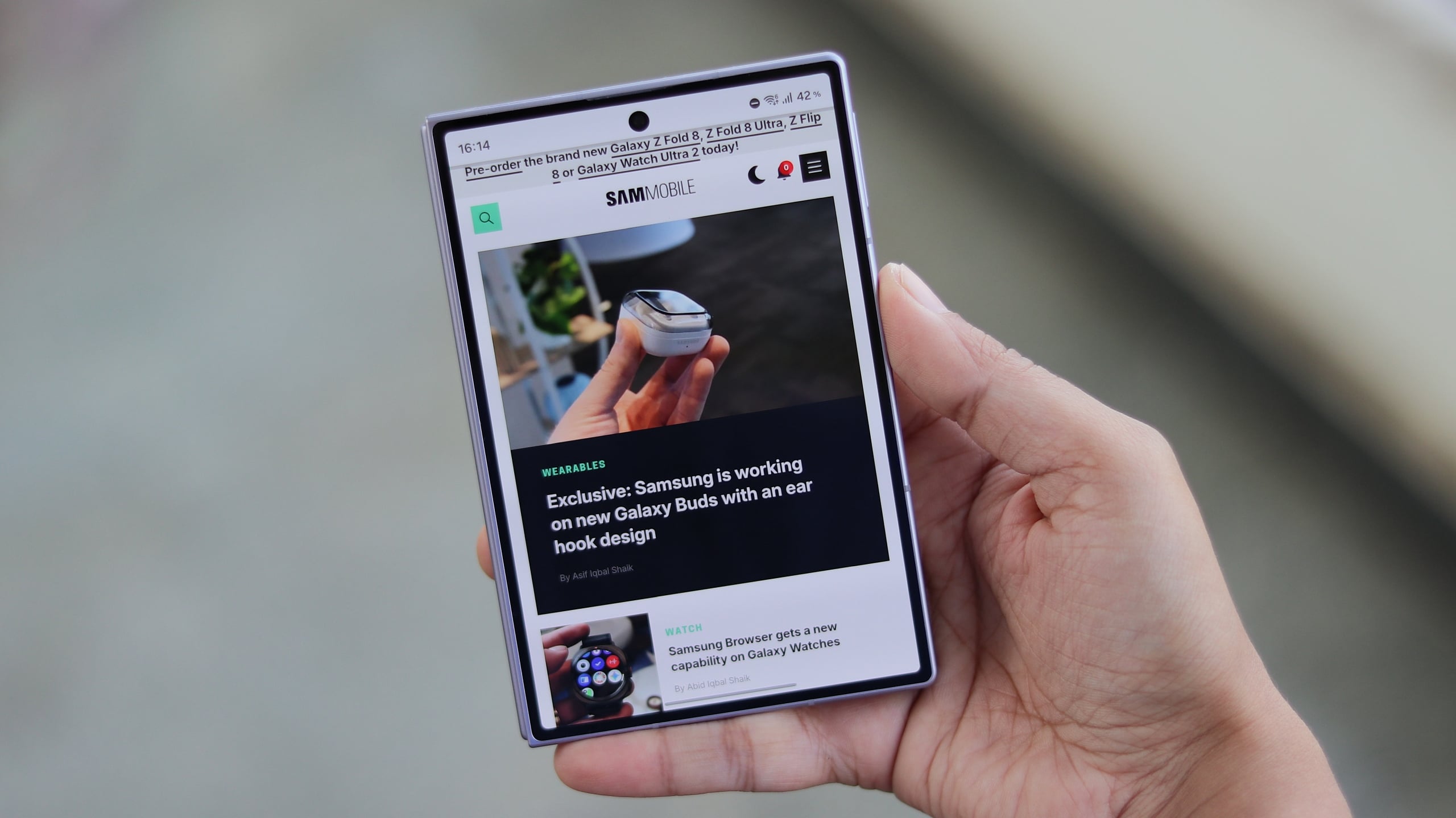
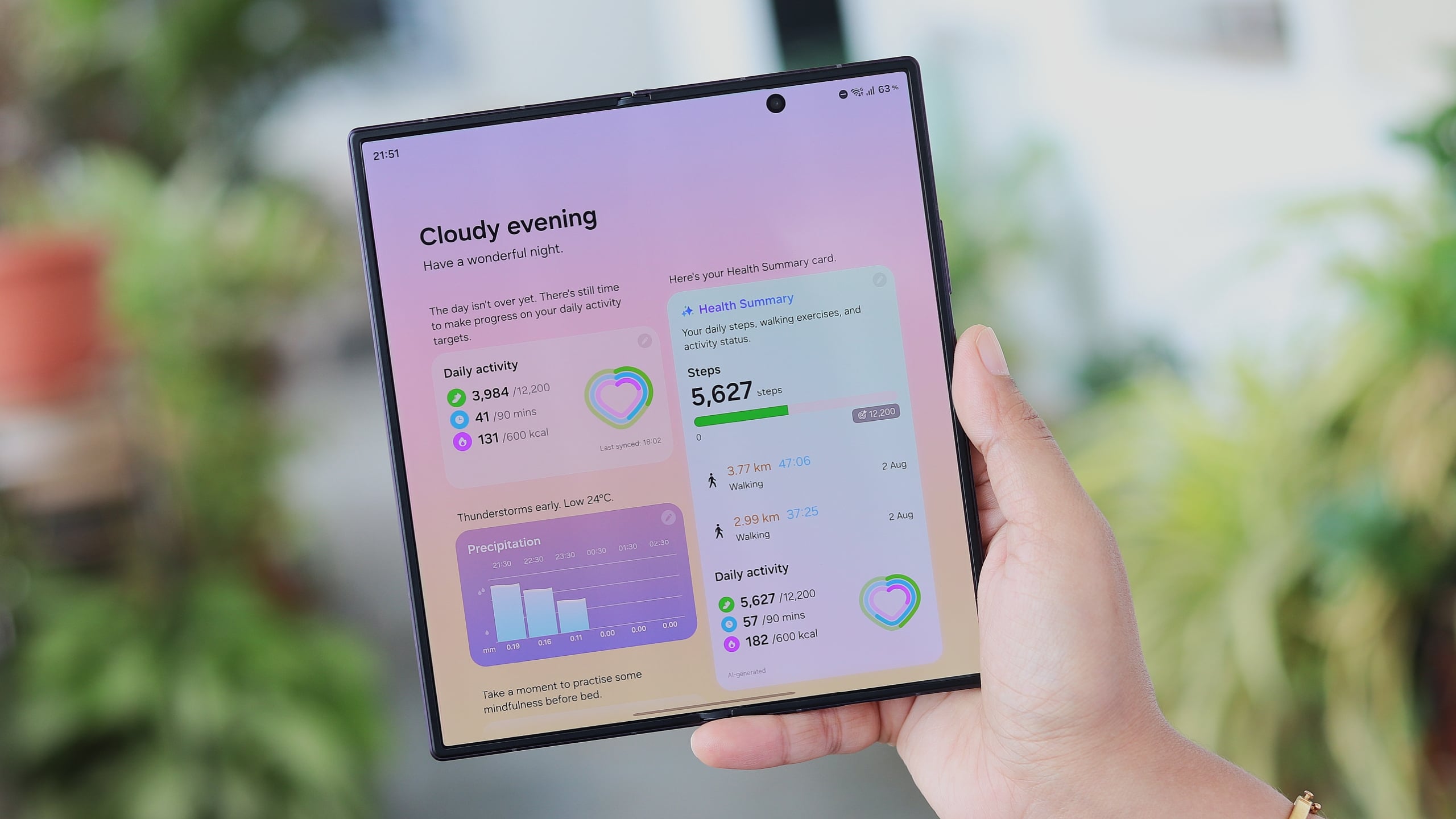
Samsung, meanwhile, has spent years refining its foldable designs, and it definitely shows. The Galaxy Z Fold 8 has handled the same independent stress and durability tests well, despite being thinner and considerably lighter than the iPhone Duo.
For Samsung, this should be an opportunity to shine. Yet so far, the company seems content to take a few jabs at Apple on social media rather than make a concerted effort to turn its rival's difficulties into a real advantage for itself and customers alike.
Samsung has been handed a rare competitive advantage
Consider the situation from Samsung's perspective. Apple, one of its biggest rivals, has entered the foldable market years after Samsung began investing in the category.
But instead of immediately establishing itself as a serious contender, as many people expected, Apple is facing questions about the durability of its first device, its design, software support, problematic apps, and more.
Apple's entry into the foldable market is far from perfect, but Apple's brand power is even greater, and the iPhone Duo has already brought the category to the attention of a larger audience. Millions of consumers who previously had little interest in foldables might now be considering one simply because Apple has finally joined the race.
Nevertheless, if Apple's first attempt struggles to meet expectations, those same consumers could be looking for alternatives. That's where Samsung comes in. Or at least, it should be.
With years of experience developing foldable phones, Samsung has an opportunity to position itself as the safer, more proven choice. Apple served this opportunity to Samsung on a platter. The challenge is turning that advantage into sales, and unfortunately, I don't see Samsung doing enough.
What Samsung should do next
So far, Samsung's response has largely consisted of playful social media posts aimed at Apple. There's nothing wrong with a little competitive banter, but this is a moment that calls for more than a few social media clever replies. Everyone needs to witness this.
First things first, Samsung should be making it easier for consumers to discover its foldables, trust their durability, and justify the cost of switching. The way I see it, two initiatives could make a real difference.
Launch a dedicated foldable trade-in program
Samsung should introduce a trade-in program specifically designed to attract owners of foldable phones from competing brands.
The offer shouldn't be limited to Apple customers, but of course, Samsung should let iPhone Duo users know that they'll be in good hands if they decide to switch.
Beyond that, anyone who owns a foldable device from another manufacturer should have a compelling reason to consider switching to a Galaxy Z Flip or Galaxy Z Fold.
This would be a particularly smart move for consumers who have already tried a foldable phone but have become concerned about durability, reliability, or long-term support.
All in all, rather than simply telling these foldable phone users that Samsung makes better devices, the company should give them stronger incentives to trade-up and stick to the Galaxy Z brand.
Make a bigger marketing push
Second, I believe that Samsung should do all it takes to come up with a dedicated marketing campaign that highlights the strengths of its foldable lineup, the difficulties Samsung went through all these years, everything the company has learned, and why all this matters when choosing your foldable phone brand.
Samsung has to underline the fact that even new entries such as the Galaxy Z Fold 8, which is technically a first-gen device, was built on an already strong foundation.
Again, this doesn't need to become an attack on Apple. In fact, Samsung could make a stronger impression by focusing on its own experience, products, and customer benefits rather than repeatedly drawing attention to its biggest rival's current problems.
The message should be simple: foldables have come a long way, they're here to stay, and Samsung has years of experience developing them, while its rivals are only now starting to figure things out.
A strong campaign could emphasize three things:
-
Experience and refinement. Highlight how years of development have helped Samsung improve its foldable designs, hinges, displays, and overall user experience.
-
Confidence and reliability. Support durability claims with credible testing, transparent warranty information, and clear details about repair and support options.
-
A compelling reason to switch. Combine the product message with attractive trade-in offers dedicated to foldable phone users.
Strike while the iron is hot
More importantly, timing matters. With Apple entering the foldable market, 2026 could be a defining year for the category. Samsung should be working to ensure that growing consumer interest translates into Galaxy Z sales right now.
All things considered, I believe Samsung has an opportunity to shape the conversation around foldables and shouldn't leave that job to its competitors. Now is the perfect time to shine and be proactive, and I hope Samsung realizes it before it's too late.






 Loading ...


